
You’re offline. This is a read only version of the page.

Breast health is about more than just screenings—it’s about understanding your body, being proactive, and feeling empowered to take control of your well-being.
At Ada & Me, we believe early detection starts with awareness. By knowing what’s normal for you, recognising changes early, and making breast screenings part of your routine, you’re prioritising your long-term health.

This page is your guide to breast awareness, prevention, and early detection—because taking care of yourself should always feel simple, accessible, and stress-free.

Every body is different, and your “normal” is unique to you. Breasts naturally change over time due to hormones, age, and lifestyle factors, so knowing what’s normal for you is key to spotting any unusual changes early.
Regular self-checks help you become familiar with how your breasts look and feel. There’s no perfect way to check—what matters is making it a habit. If you notice lumps, swelling, skin changes, or anything that feels different, it’s always worth speaking to a healthcare professional. Most changes are harmless, but early detection is always the best step toward peace of mind.
Click for the NHS guidance on how to check your breasts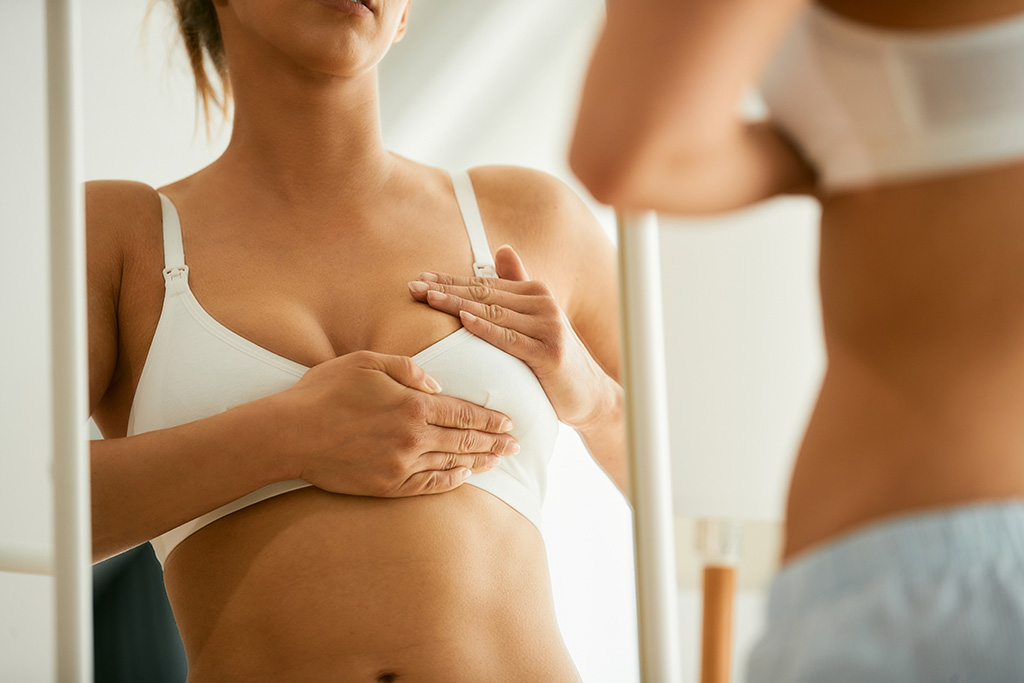
Taking care of your breast health is an act of self-care. Regular screening isn’t just about finding problems—it’s about reassurance, early action, and feeling confident in your health. Many breast changes are harmless, but knowing what’s normal for you and having access to safe, supportive screening means you never have to wonder or worry alone.
At Ada & Me, we believe screening should feel calm, comfortable, and empowering. Whether it’s your first time or part of your routine, we’re here to support you every step of the way.
Book a scan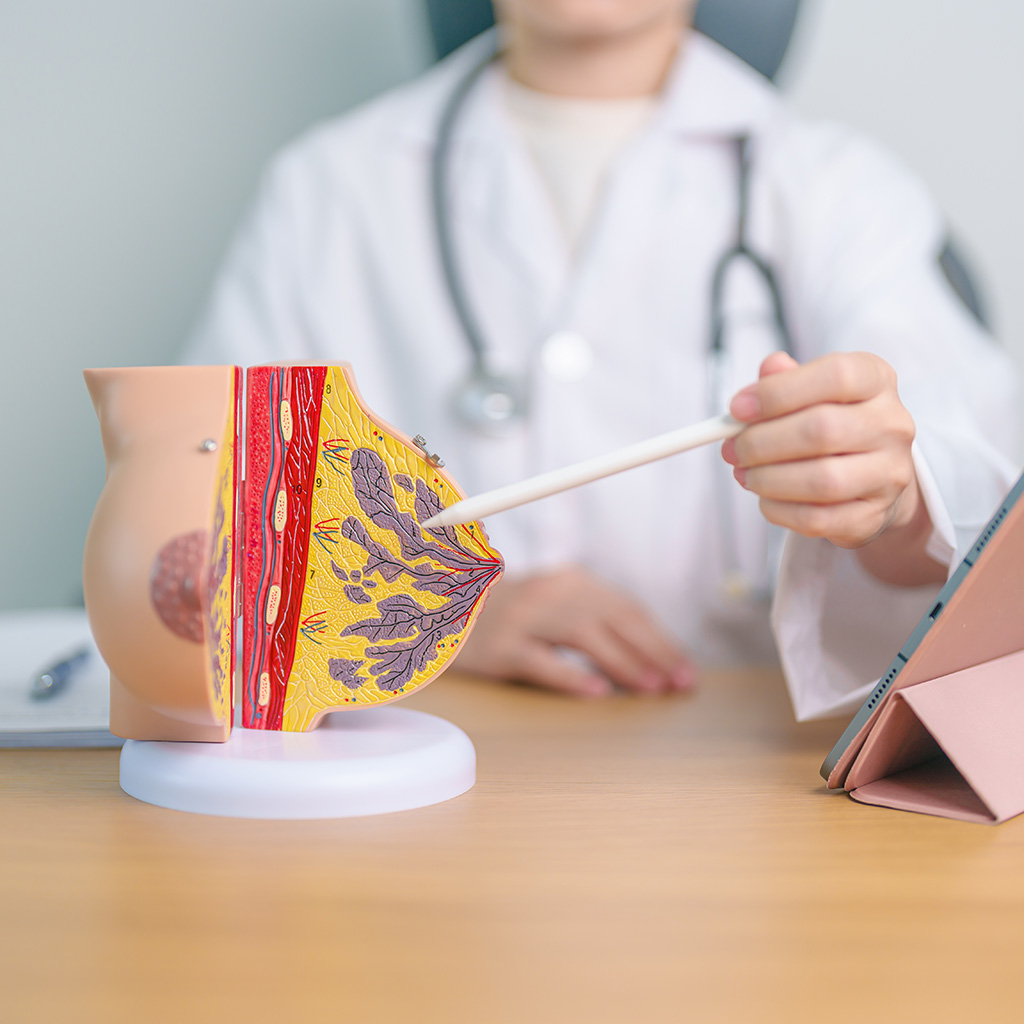
Most breast changes are harmless, but knowing what’s normal for you makes it easier to spot anything unusual. While not all changes mean cancer, being aware of certain signs can help you feel more in control of your health. If something doesn’t feel right, it’s always best to get it checked by a healthcare professional.
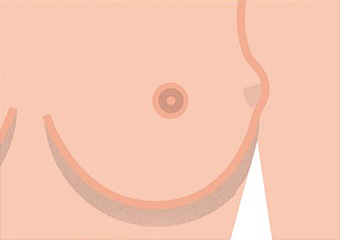
Many people worry about lumps, but not all lumps are harmful. Breasts naturally have different textures, and some changes can be due to hormonal shifts or cysts. If you notice a lump that feels different from the rest of your breast, is new, or doesn’t go away, speak to a doctor for reassurance and guidance.
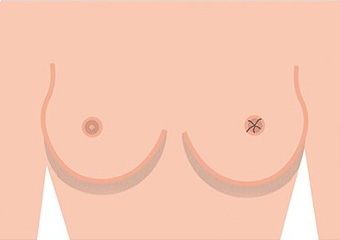
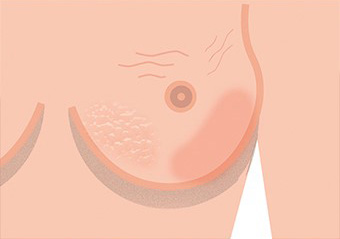
Keep an eye on dimpling, puckering, redness, or irritation on the skin, as well as any changes in nipple shape, discharge, or inversion (pulling inward). These changes don’t always mean something serious, but they can be a sign that your breast tissue needs to be looked at.
Waiting for results can feel nerve-wracking, but shifting your mindset can help. Screening is a proactive step towards your health—not something to fear. No matter the outcome, knowledge gives you the power to take control of your well-being. With results delivered within 72 hours, you won’t be left in uncertainty for long.

A diet rich in fruits, vegetables, whole grains, and healthy fats supports overall health, while limiting processed foods and excessive alcohol can help reduce inflammation. Some studies suggest that fibre-rich diets and plant-based foods may positively impact hormone balance.

Staying active is good for both physical and mental well-being. Regular exercise can help regulate hormones, maintain a healthy weight, and lower excess estrogen levels—all of which can support breast health. Even walking 30 minutes a day can make a difference.

Excessive alcohol and smoking have been linked to an increased risk of breast-related health concerns. Cutting down or quitting can be a proactive way to support overall well-being.

Breasts are affected by hormonal changes during menstruation, pregnancy, menopause, and even stress. Understanding how your body responds can help you notice what’s normal and what may need further attention.
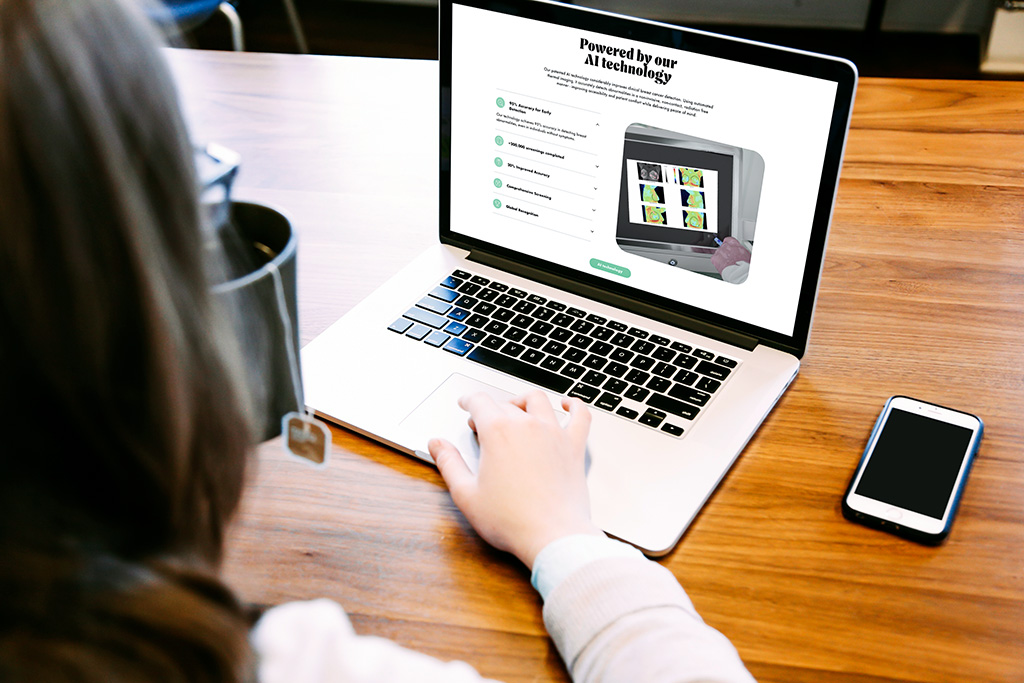
Keeping up with routine self-examinations and screenings ensures that any changes are caught early. Prevention isn’t just about what you do daily—it’s about staying informed and proactive about your health.
Scroll to learn more
Book a scanYou're not alone—help is available whenever you need it.
If you’ve noticed a change in your breasts or need guidance, seeking advice from a trusted source can provide reassurance and direction. Whether you’re looking for support, medical advice, or community resources, here are some organisations that can help:
The UK’s leading breast cancer research and support charity, offering information, helplines, and emotional support. Visit Breast Cancer Now

A charity focused on early detection and breast health education for younger people, with reminders and guidance on checking yourself. Visit Coppafeel!

Provides medical, practical, and emotional support for those affected by cancer, including online chats and financial guidance.Visit Macmillan
The official NHS resource for breast screening in the UK, with details on eligibility, guidelines, and finding your nearest clinic. Visit NHS Breast Screening

Offers information and support for mental health concerns. Visit Mind

A free, confidential helpline for anyone in emotional distress. Call 116 123 or Visit Samaritans

Support for those experiencing anxiety, including helplines and resources. Visit Anxiety UK

Support for those dealing with cancer-related worries and emotional support. Visit Maggie’s